- Home page
- Top experiences
- Not to be missed
- A stroll around Lake Guizengeard and its 50 shades of blue
- Not to be missed
- Top experiences
A stroll around Lake Guizengeard and its 50 shades of blue
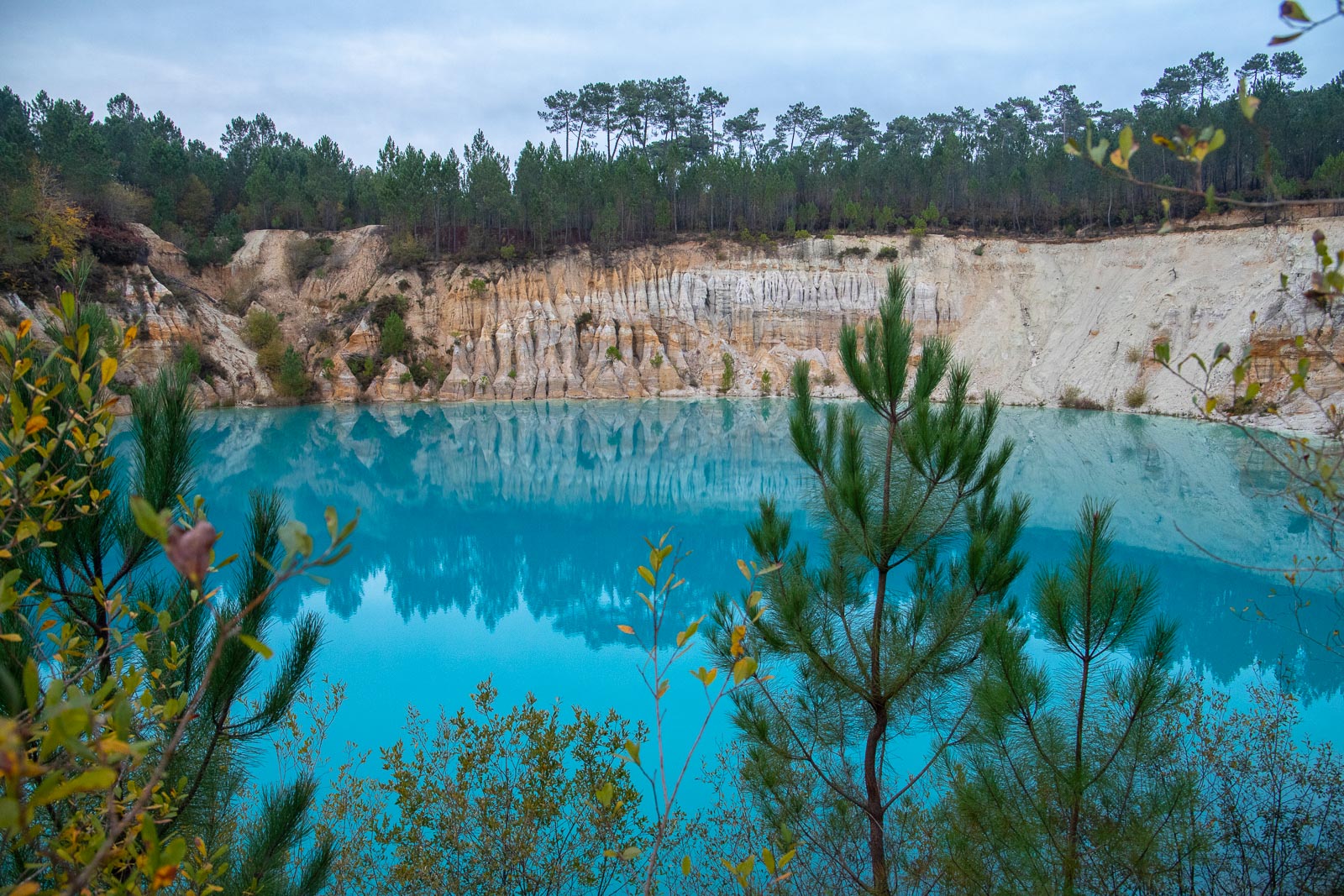
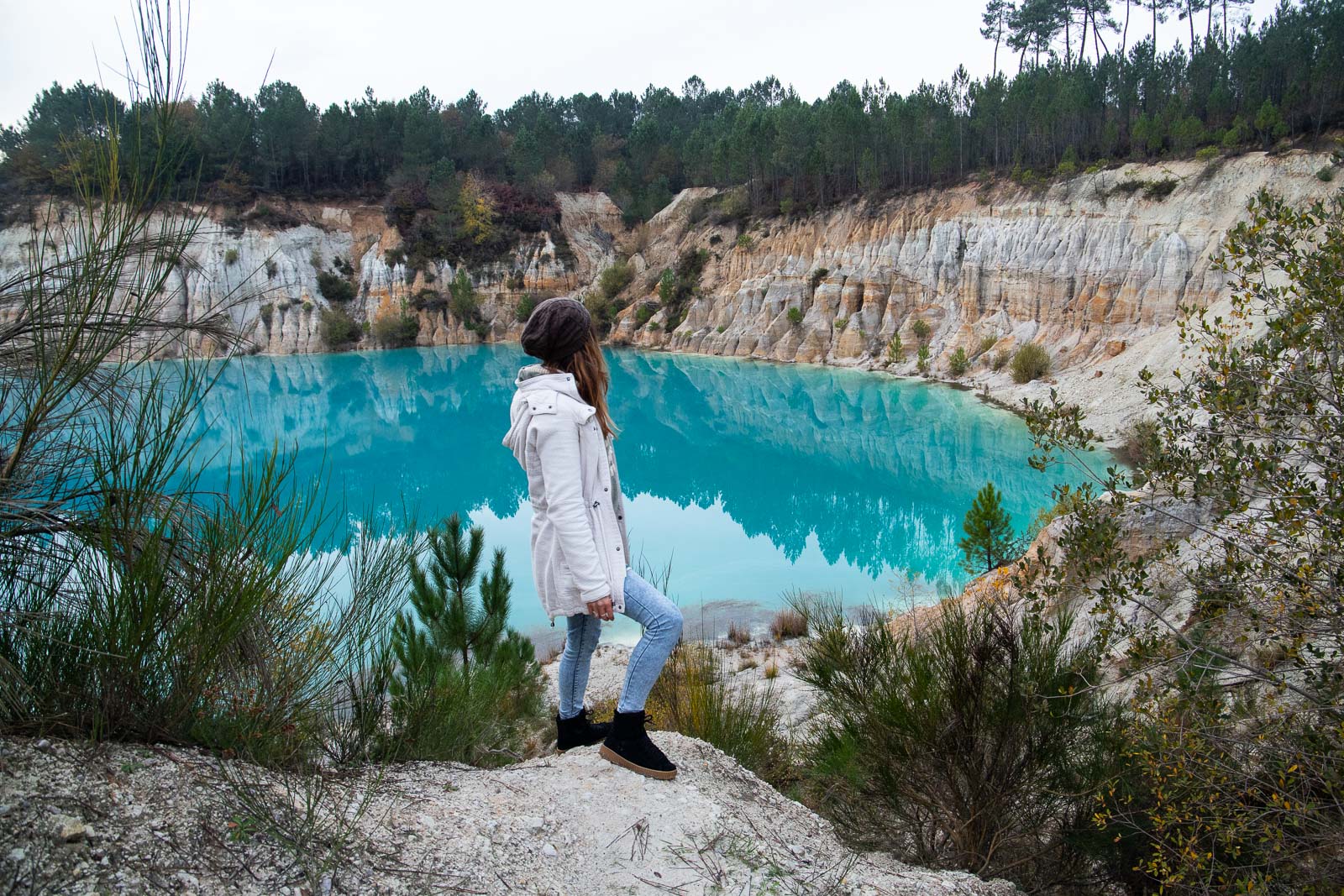
When Lake Guizengeard is first mentioned, one often thinks of an imaginary place, straight out of a Lord of the Rings setting or the creation of artificial intelligence. Yet, this mysterious place truly exists, nestled in the heart of a forest on the border of Charente-Maritime and South Charente. A lake whose water color is as intense as it is surprising, guaranteeing a complete change of scenery less than an hour's drive from La Rochelle.
The essentials at a glance
- Where: Guizengeard commune (16480), South Charente, 6 km southwest of Brossac.
- Distance: approximately 3.2 km loop, easy, accessible to all levels.
- Duration: 1h30 to 2h30 depending on the pace and photo stops.
- Access: free but regulated — check before you go.
- Swimming: strictly prohibited, for safety reasons.
- Manager: Conservatoire d'espaces naturels de Nouvelle-Aquitaine.
Discovering Lake Guizengeard
To quench even the most sensible thirst for adventure, nothing beats a beautiful hike in the Double Saintongeaise forest, in the Charente hinterland. The site, sometimes called "the blue lakes" or "the Blue Lake Walk," is marked on Google Maps near the village of Guizengeard.
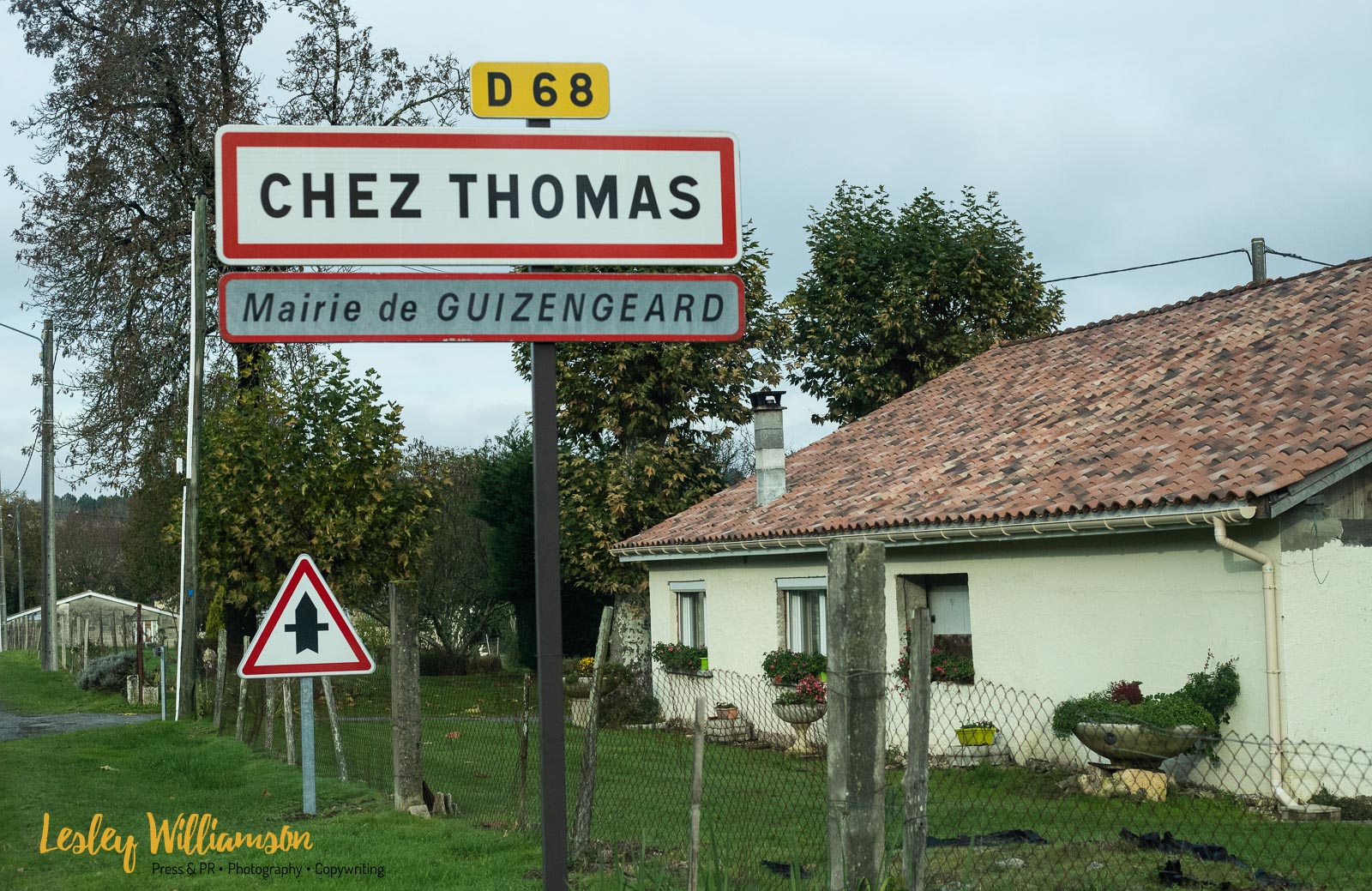
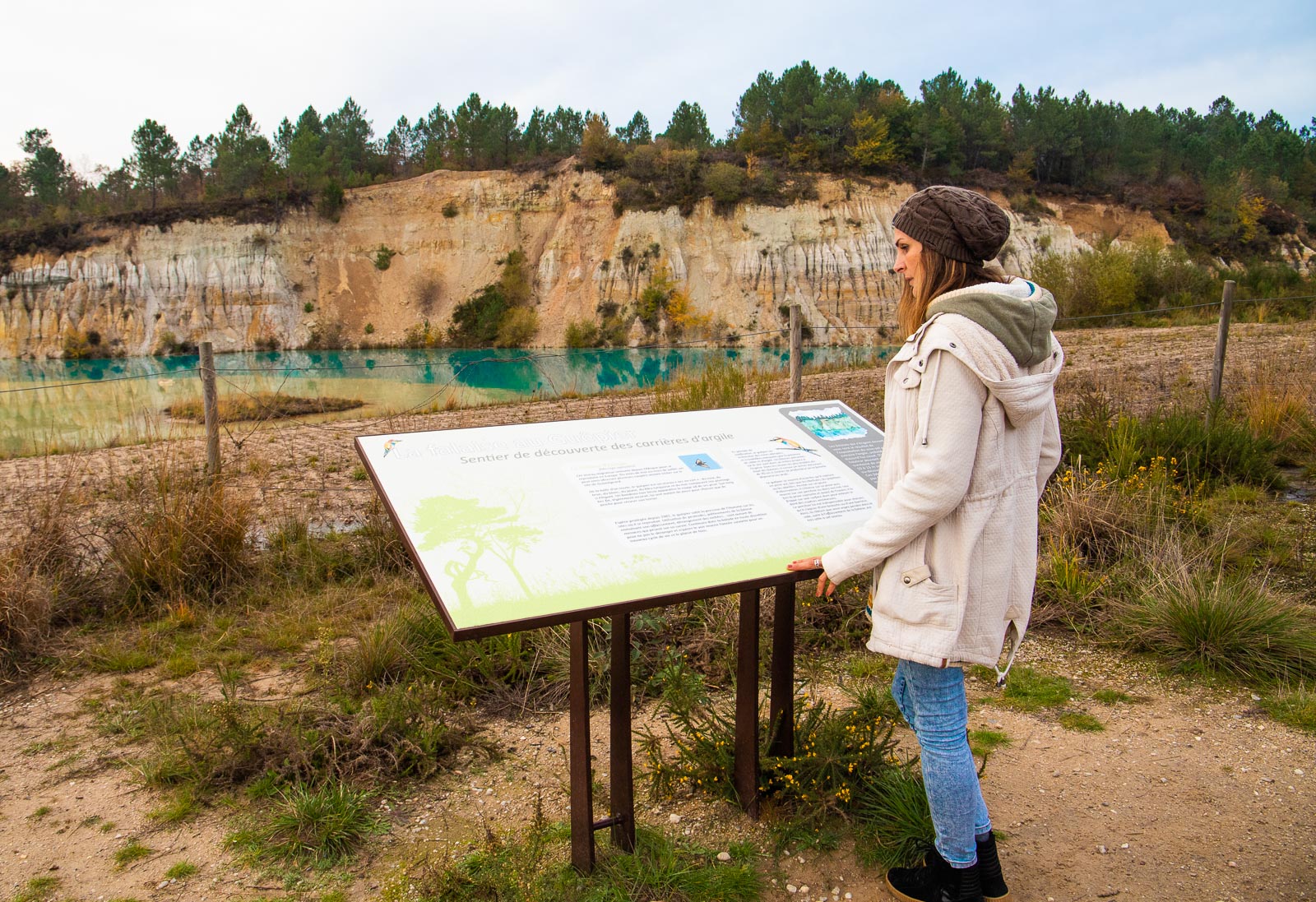
To get there: take the D58 exit towards Oriolles from the N10, then follow signs for Guizengeard. At the hamlet of Chez Thomas, head towards Boresse for 1 km and follow the signs for the "Clay Discovery Trail". You can park in the car park near the cemetery, where there is also a picnic area, to reach the trail that leads to the sparkling waters in the heart of the forest.
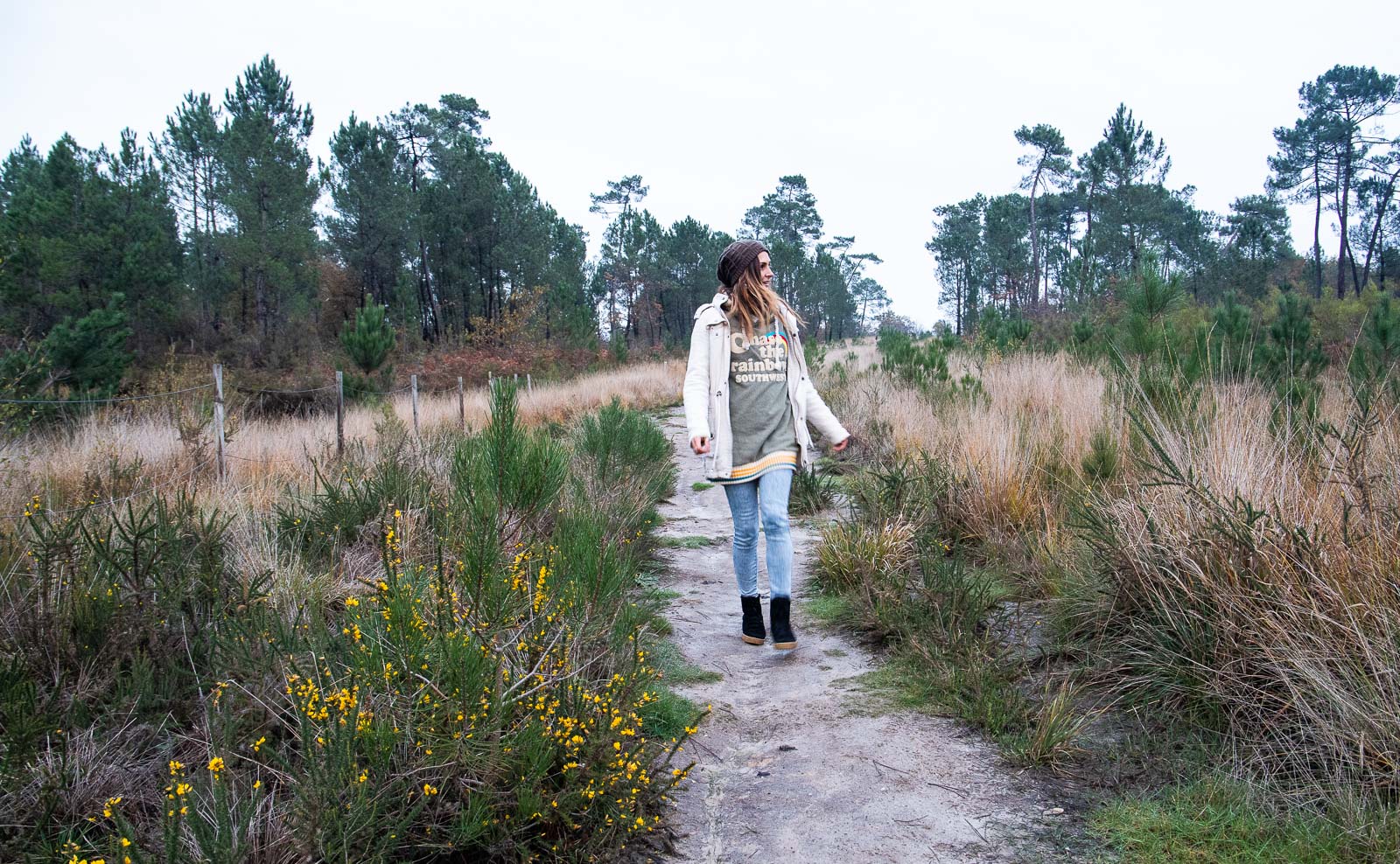
Two routes allow you to discover the site: the Grand Bois du Marais circuit and the Guêpiers circuit. Allow approximately 20 minutes of walking through the pine forest before discovering the first panoramic view of this unexpected oasis.
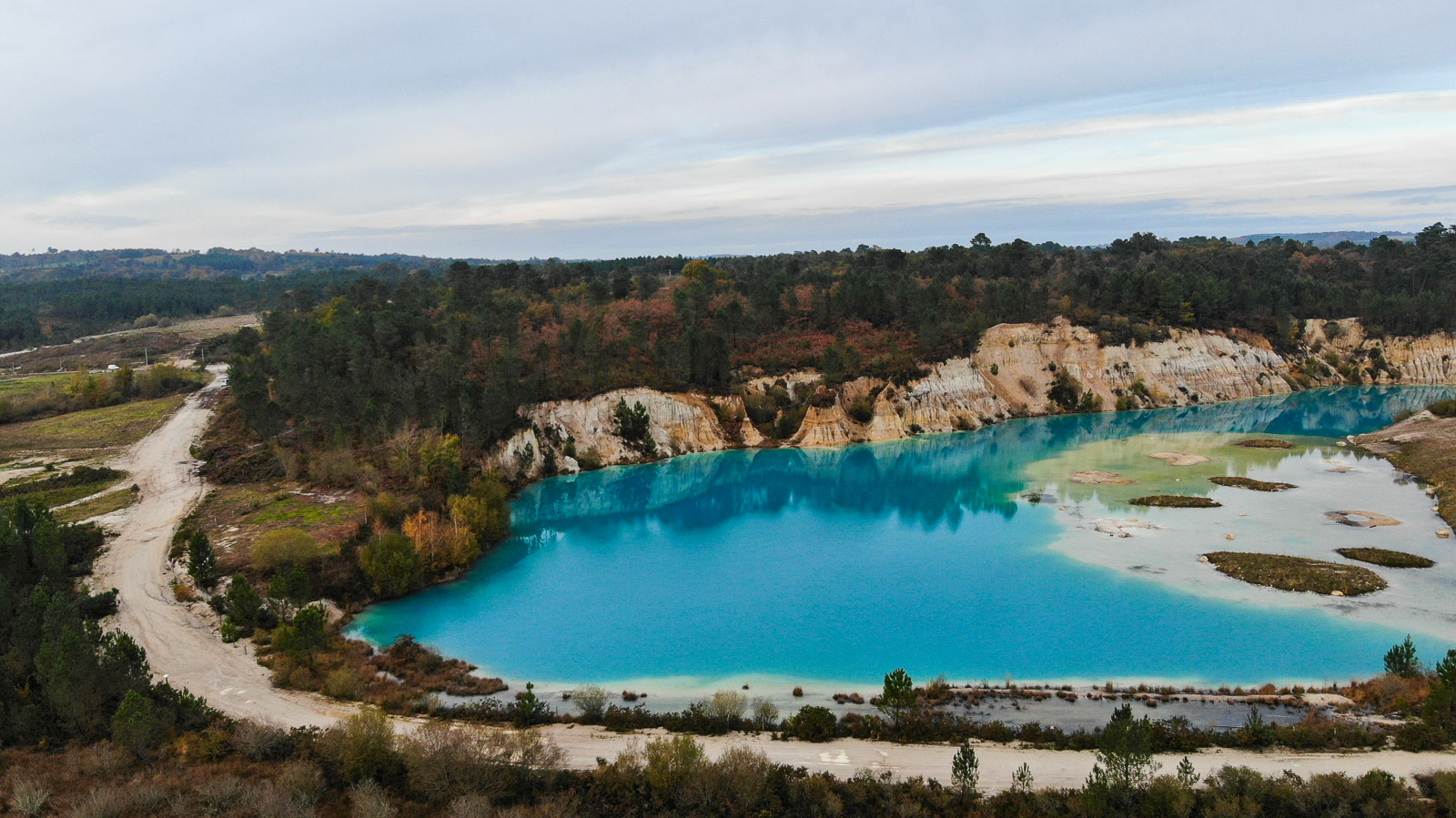
A landscape shaped by Man, reclaimed by nature
Between 1975 and 2013, the extraction of white clay by the company AGS significantly transformed this forest environment. This former kaolin quarry produced a white clay used in the manufacture of porcelain, tiles, bricks, and cosmetic and pharmaceutical products. To extract it, the operators dug to depths of up to 40 meters.
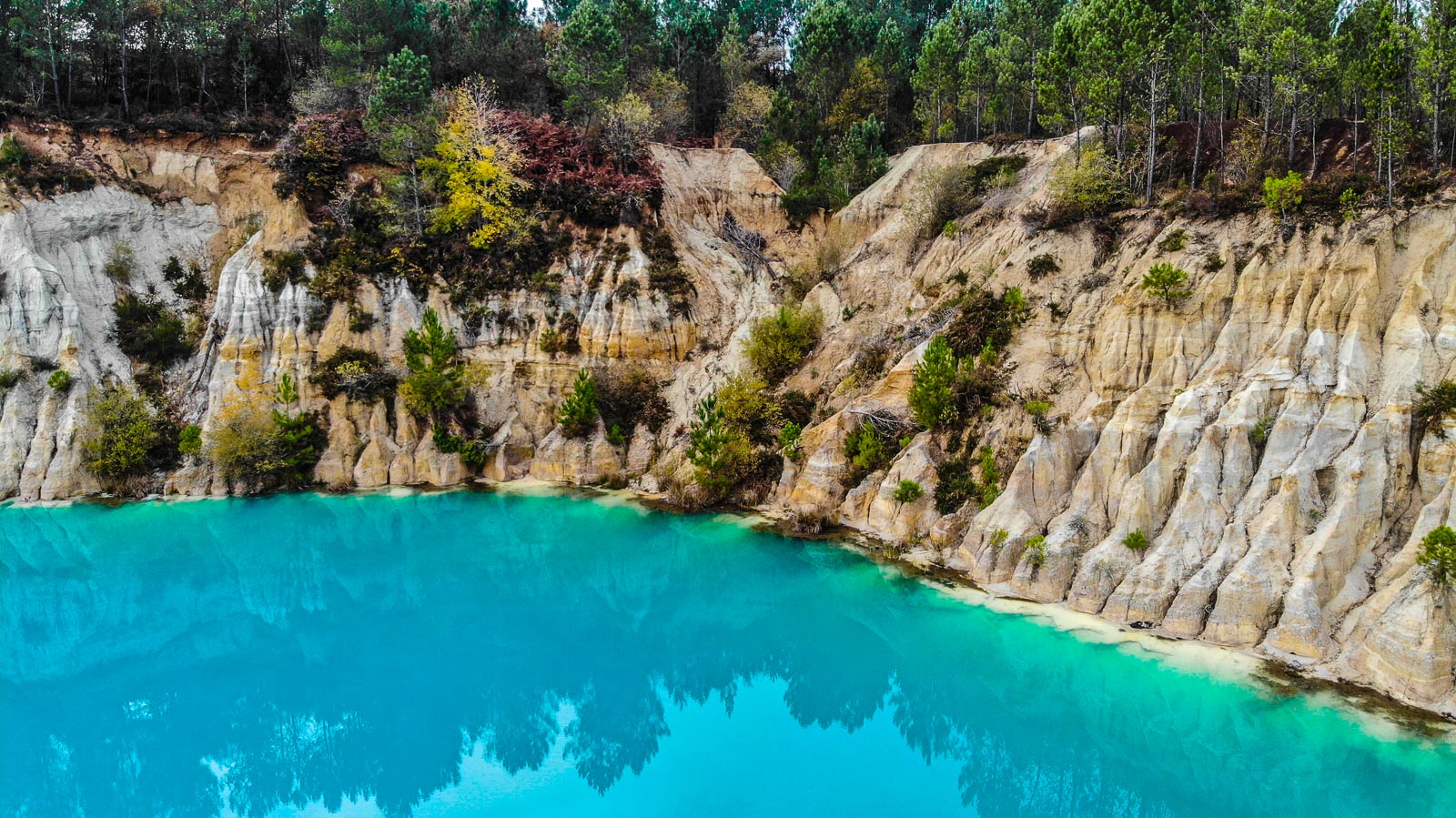
Since mining operations ceased, vegetation has reclaimed the land, and the vast open-pit quarry has filled with rainwater, creating the artificial lake we see today. The acidity of the soil still prevents the development of aquatic life (algae, fish, amphibians): the water remains crystal clear, with no suspended matter to absorb light. This light is fully reflected, giving the lake its array of blues, from turquoise to azure.
In 2018, the site was acquired by the Conservatoire d'espaces naturels de Nouvelle-Aquitaine (Conservatory of Natural Areas of Nouvelle-Aquitaine ) as part of environmental compensation measures related to the construction of the South Europe Atlantic high-speed rail line (LGV SEA). Lake Guizengeard is now classified as a Sensitive Natural Area (ENS) in the Charente department.
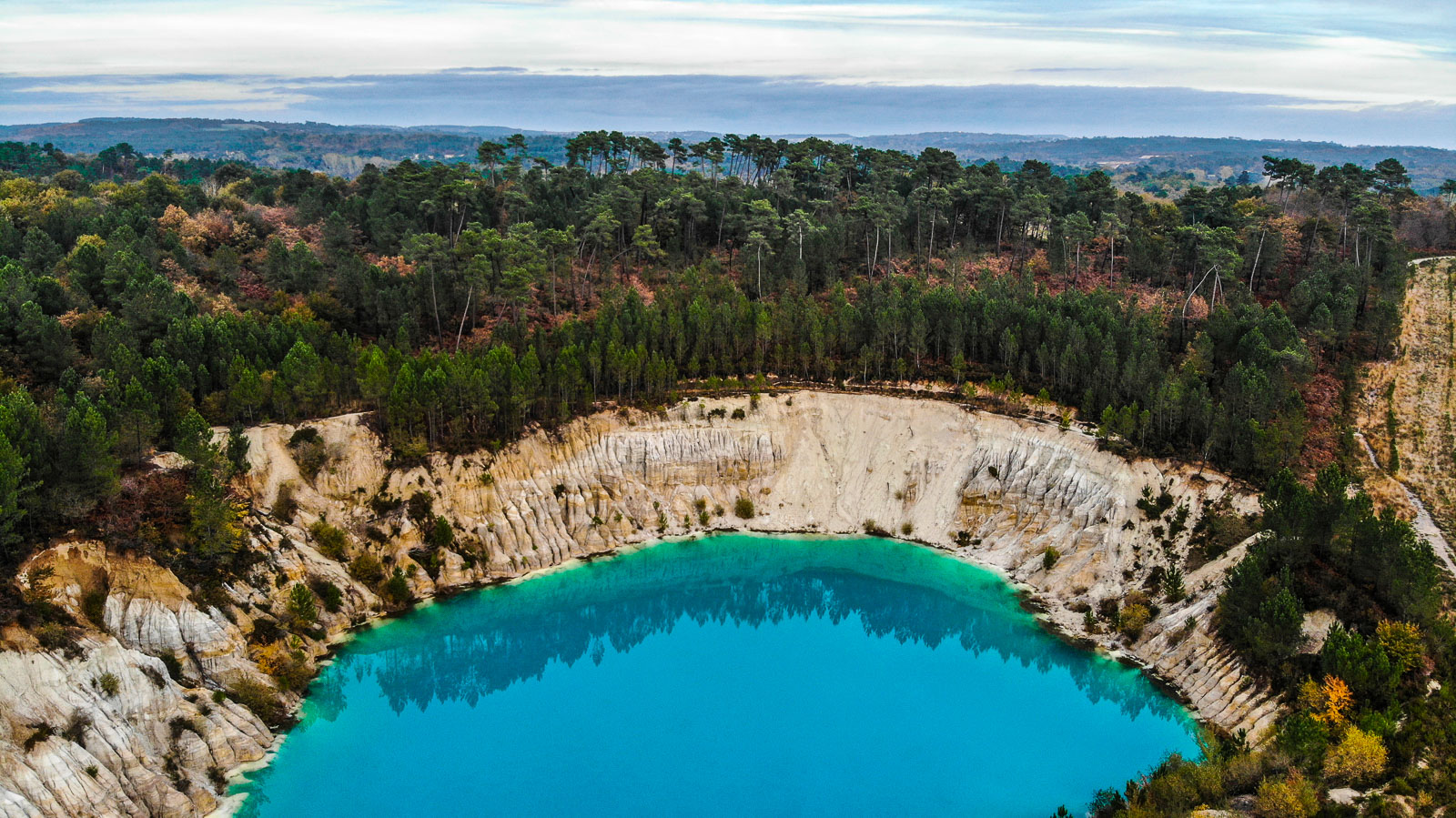
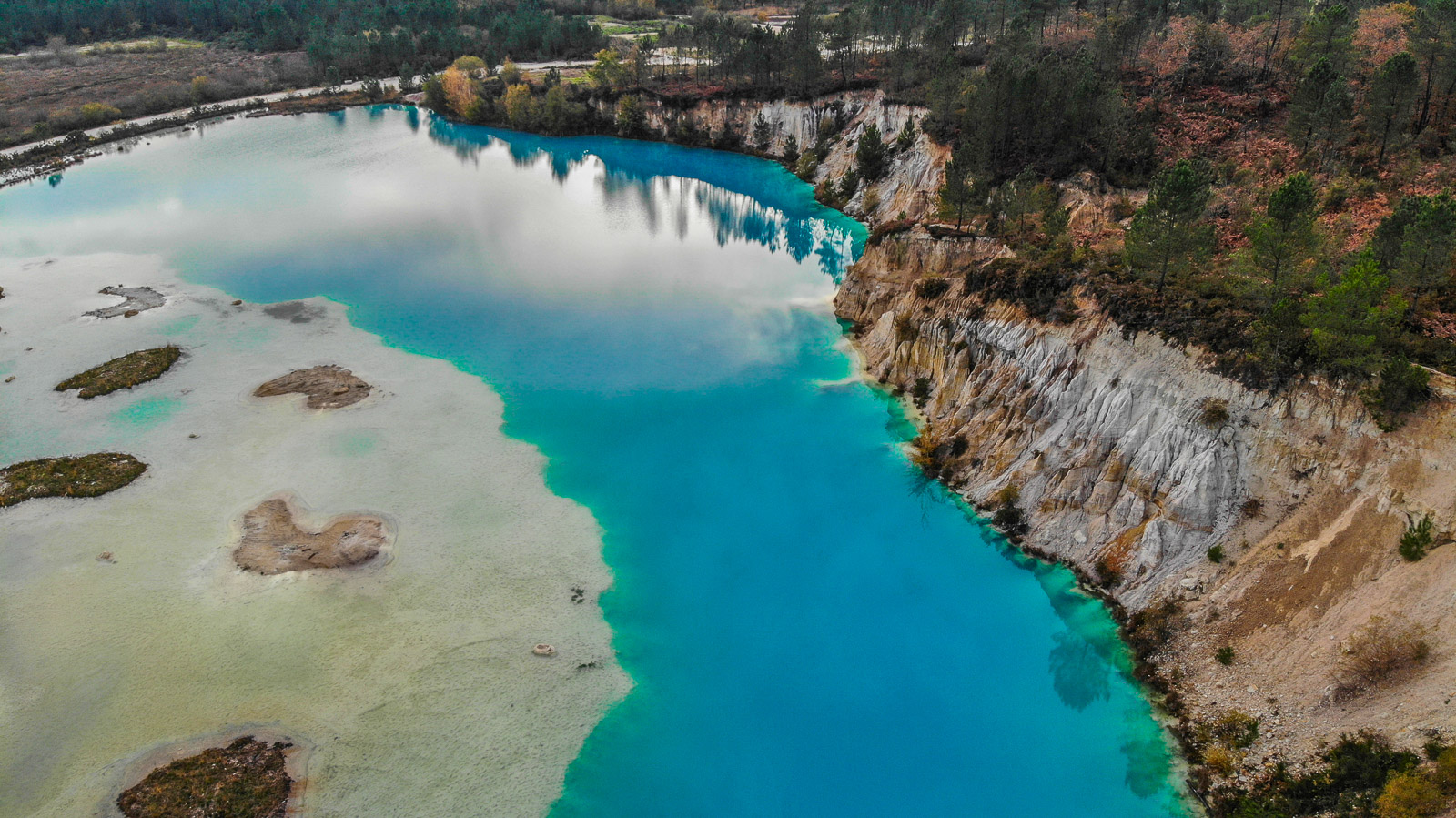
Golden cliffs and fragile biodiversity
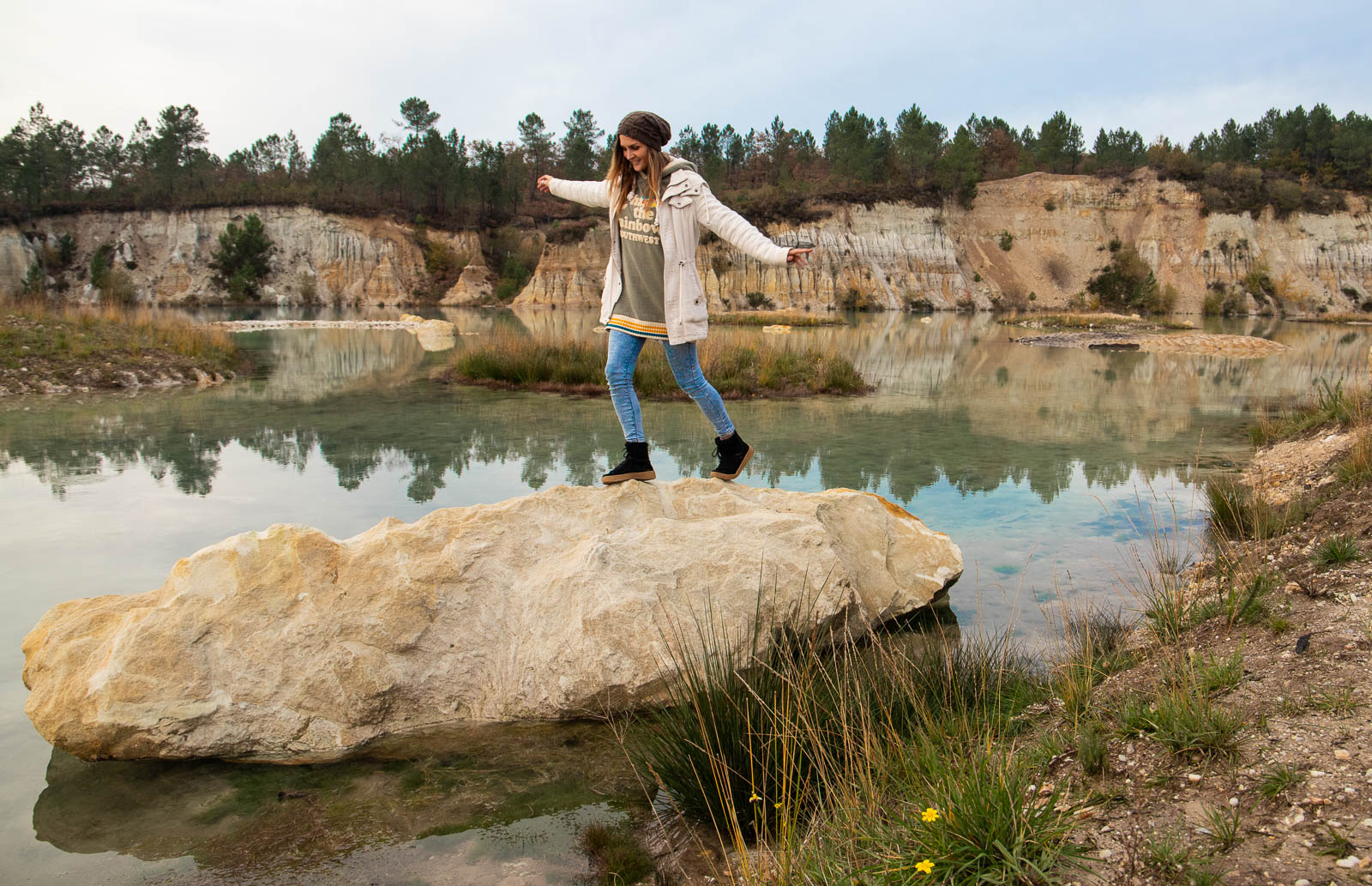
Golden cliffs, remnants of past mining activity, rise before visitors. Reaching heights of up to thirty meters, only 10 to 15 meters are visible above the water. Unstable, they are subject to erosion and retreat over time, under the effects of rain and runoff.
These cliffs are home to colonies of European bee-eaters, migratory birds that nest there by digging galleries in the soft rock. Trampling at the top of the cliffs, excessive visitor traffic, and the use of drones disrupt their nesting. This is one of the reasons why access to the site is regulated.
Around the lake, you can also observe European genet, roe deer, black-winged stilts, multicolored dragonflies, and kingfishers. The forest, currently dominated by maritime pine planted by the former quarryman, is being progressively reworked by the Conservatoire to allow more space for deciduous species (oaks, chestnut trees), a long-term objective, as the forest evolves slowly.
Access, rules and safety: what you need to know before you leave
Since June 4, 2021, the Guizengeard quarry site has been protected by a prefectural decree for biotope protection (APPB 16-2021-06-04-00001). This decree does not close the site: it allows visitors to enjoy it while establishing rules designed to protect wildlife and soil.
- stay on the marked trails;
- do not approach the edge of the cliffs;
- no nautical activities;
- no campfires;
- drones are prohibited;
- Swimming is strictly prohibited : the slippery clay bottoms and the instability of the soil at depths of 30 to 50 meters make any rescue impossible.
Occasionally, particularly during peak summer season, temporary time restrictions may be implemented by prefectural decree to limit disturbance to wildlife (for example, access permitted only in the morning). These measures change from year to year. Before setting out, it is recommended to check the latest information with the South Charente Tourist Office or on the website of the Nouvelle-Aquitaine Regional Nature Reserve.
Frequently Asked Questions
- Is it safe to swim in Lake Guizengeard? No. Swimming is permanently prohibited: the clay banks are slippery and the lake reaches depths of several tens of meters in places, making any rescue very difficult.
- How long does the walk take? The circuit is approximately 3.2 km and takes 1h30 to 2h30 to complete depending on the pace, photo stops and the chosen circuit (Grand Bois du Marais or circuit des Guêpiers).
- Is the site accessible year-round? Yes, access is free but regulated by a prefectural decree for biotope protection. Temporary time restrictions may apply at certain times of the year to protect nesting wildlife; it's best to check the information before you go.
- Why is the lake water blue? The lake occupies a former kaolin quarry. The acidity of the clay soils prevents the development of aquatic life and algae: the water remains crystal clear and fully reflects the light, giving it its turquoise to azure blue hues.
- Are dogs allowed? As the site is a sensitive natural area housing fragile nesting fauna (European bee-eaters in particular), it is recommended to keep dogs on a leash and stay on the marked trails.
The Charente Guide wishes you a beautiful walk around the blue lakes of Guizengeard : an invigorating hike, with magnificent landscapes, which leaves an unforgettable memory!
Brossac
Towns & Villages in Brossac
6,0 km
Church of Saint-Sulpice
Abbeys, Churches, Priories in Chillac
7,5 km
Château de Chalais
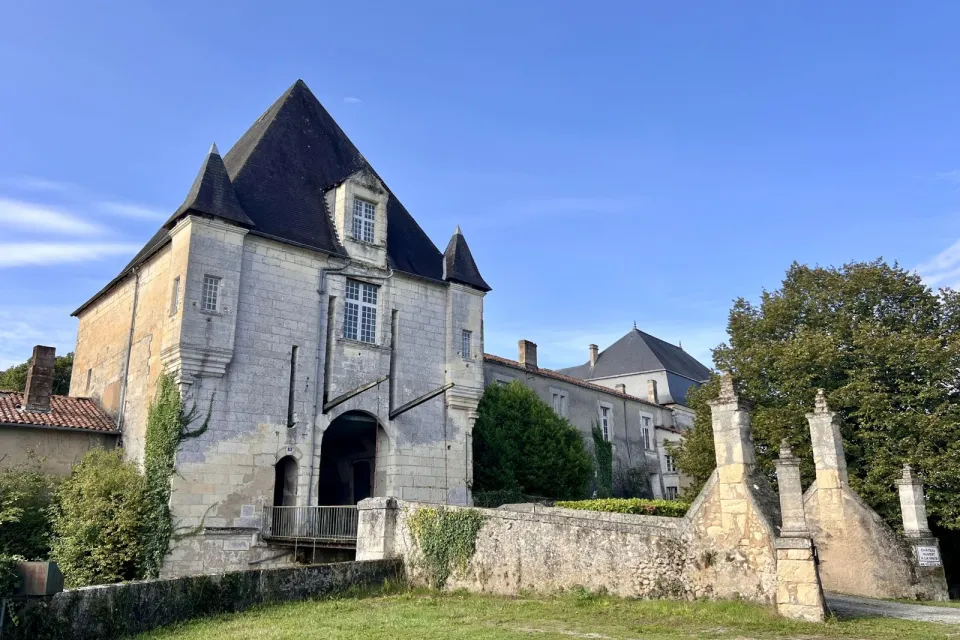
Castles in Charente in Chalais
11,7 km
Did you enjoy this report? Find more on our BLOG!
We are also on Facebook, subscribe to the Facebook page of the Charente Guide.
Find us on Instagram @guidedelacharente
You will also like
The unusual walk of the Blue Lakes of Touvérac
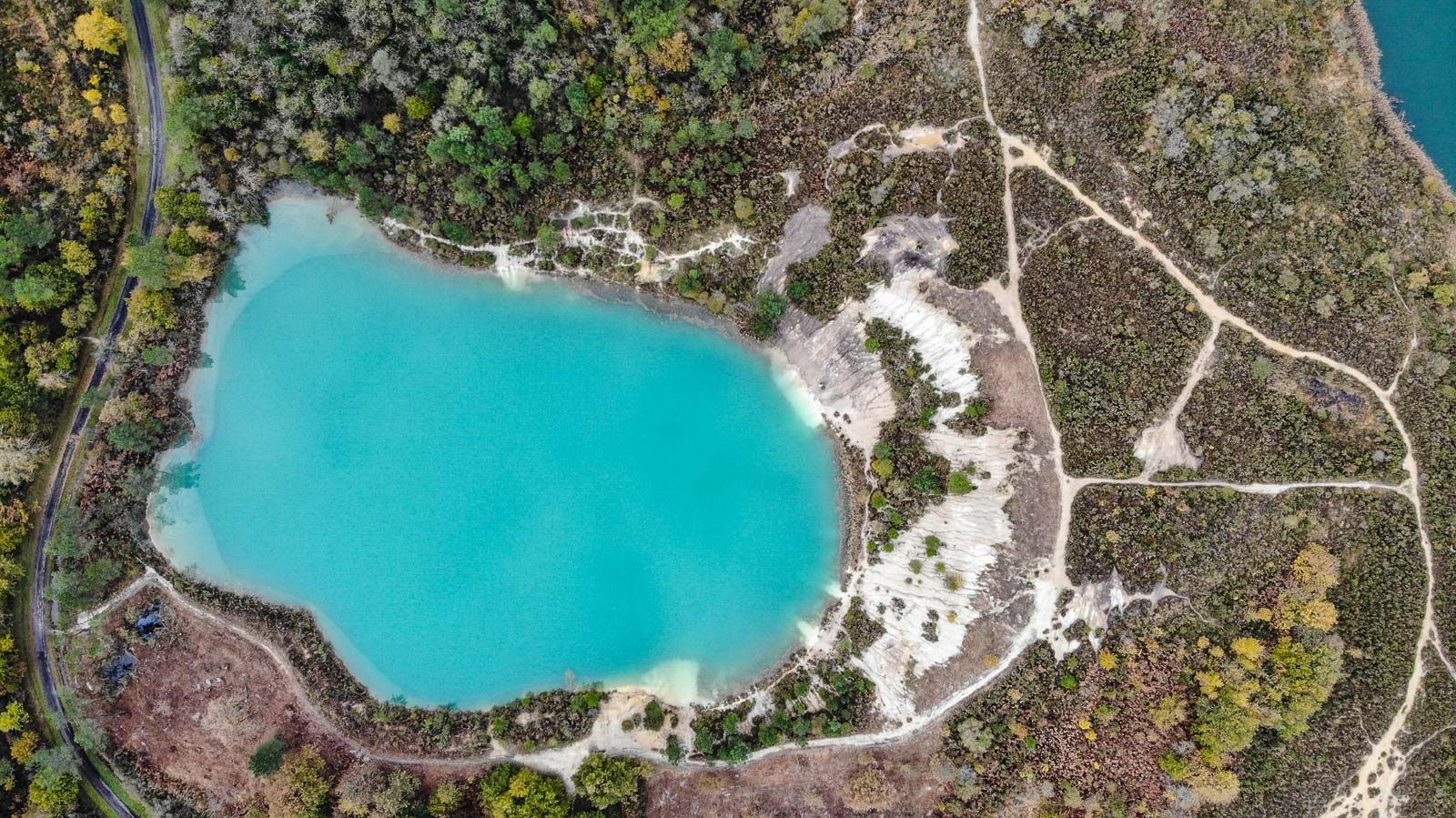
10,8 km
Visit Aubeterre-sur-Dronne, a jewel in the south of Charente
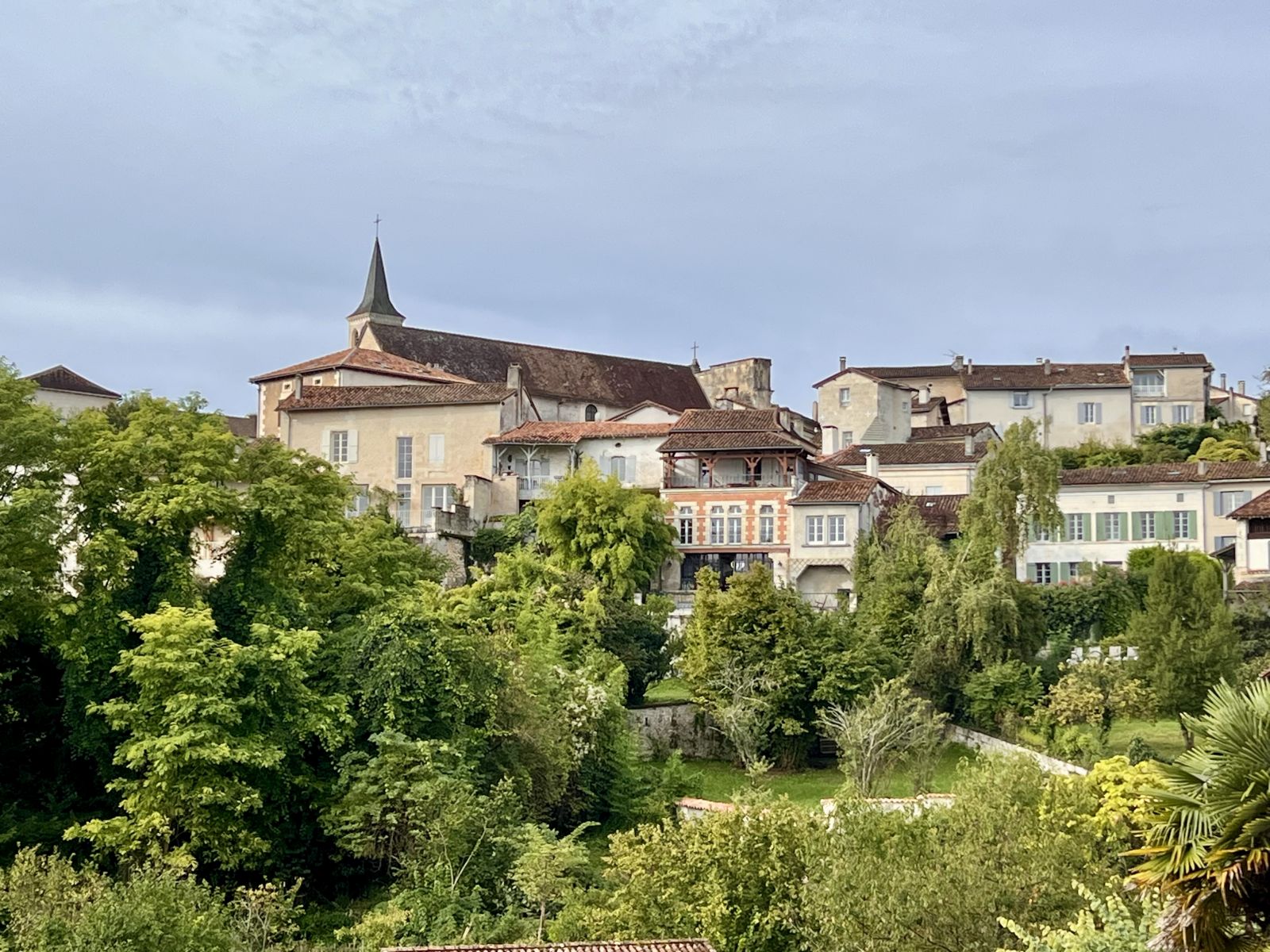
21,9 km
Discovering the Troglodyte Church of Aubeterre-sur-Dronne: A Spiritual and Historical Journey
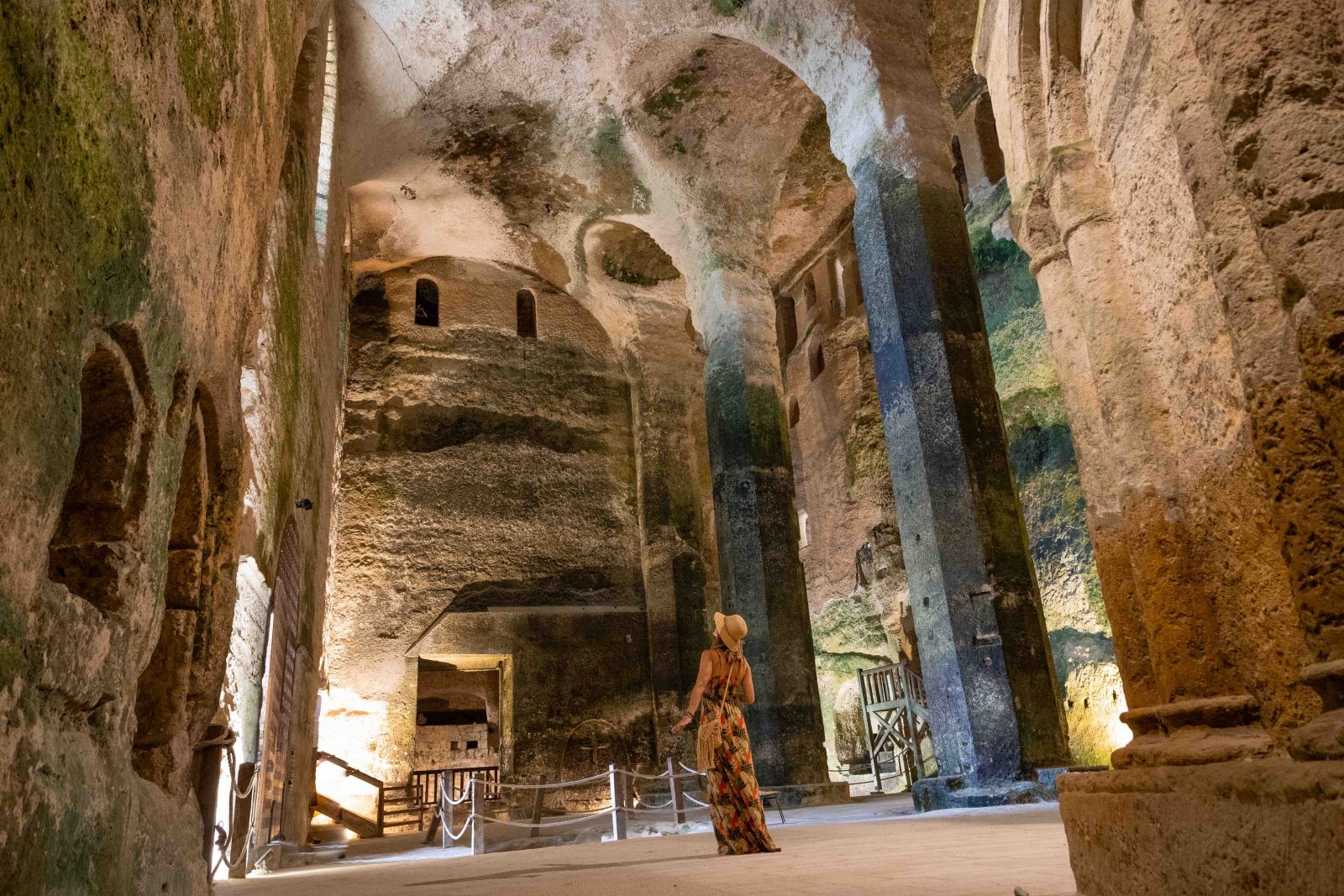
21,9 km
Destination Angoulême: Our Must-Sees for a Weekend

44,0 km
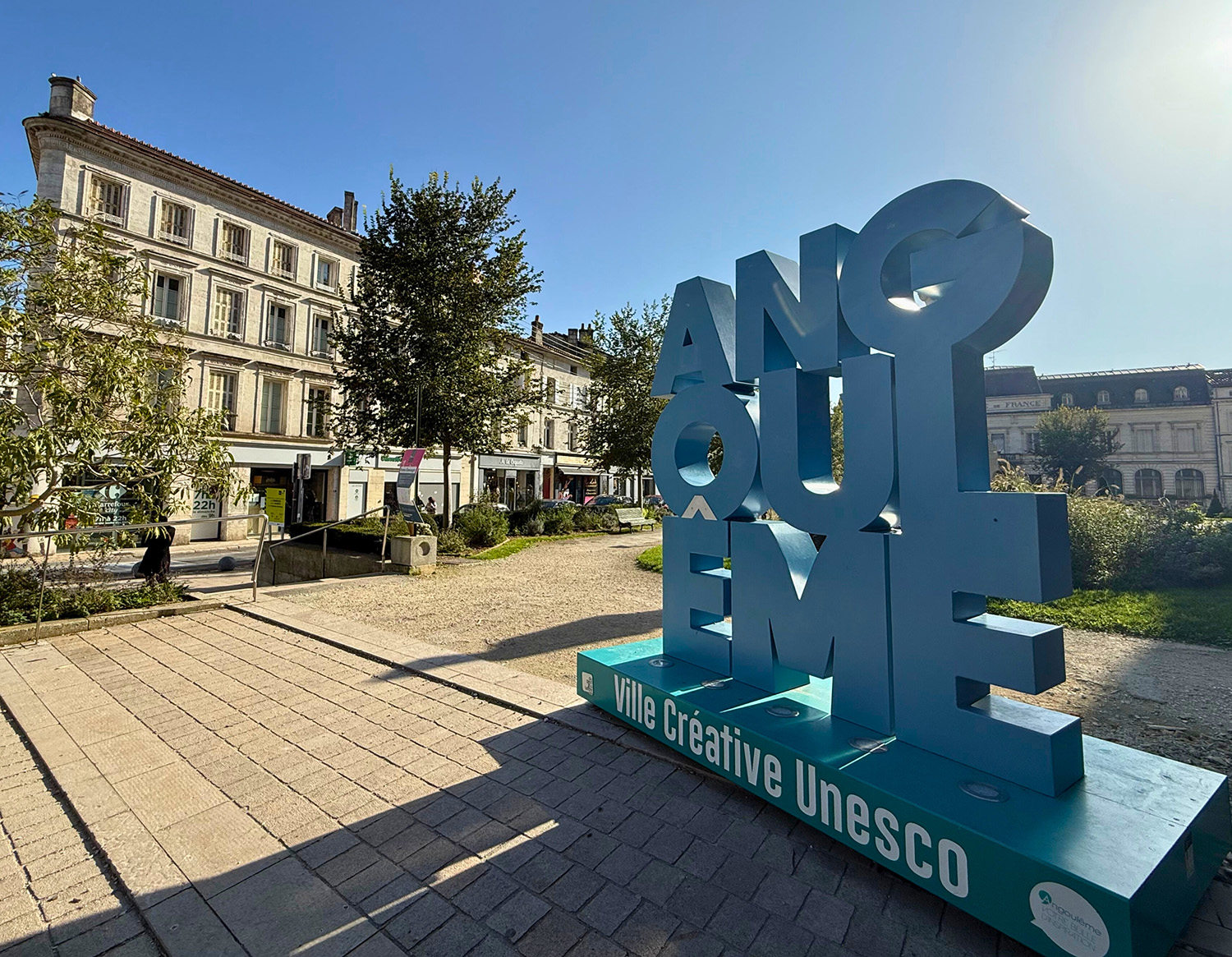
The top 5 must-see museums in Angoulême
44,0 km
Christmas in Angoulême, a plunge into the magic of the holidays

44,0 km
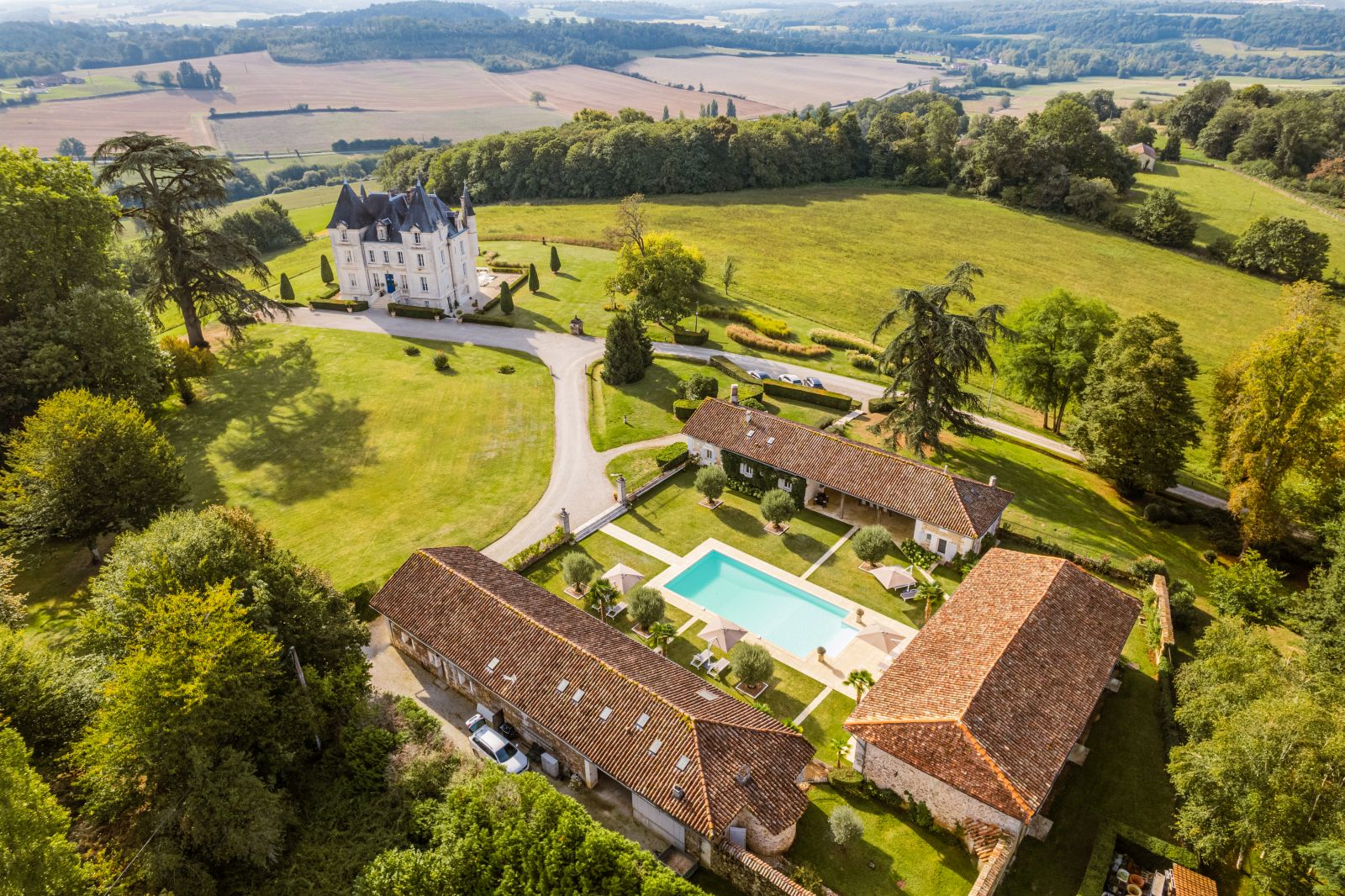
Château de Lasfonds, a French escape in an exceptional setting in Charente
46,1 km
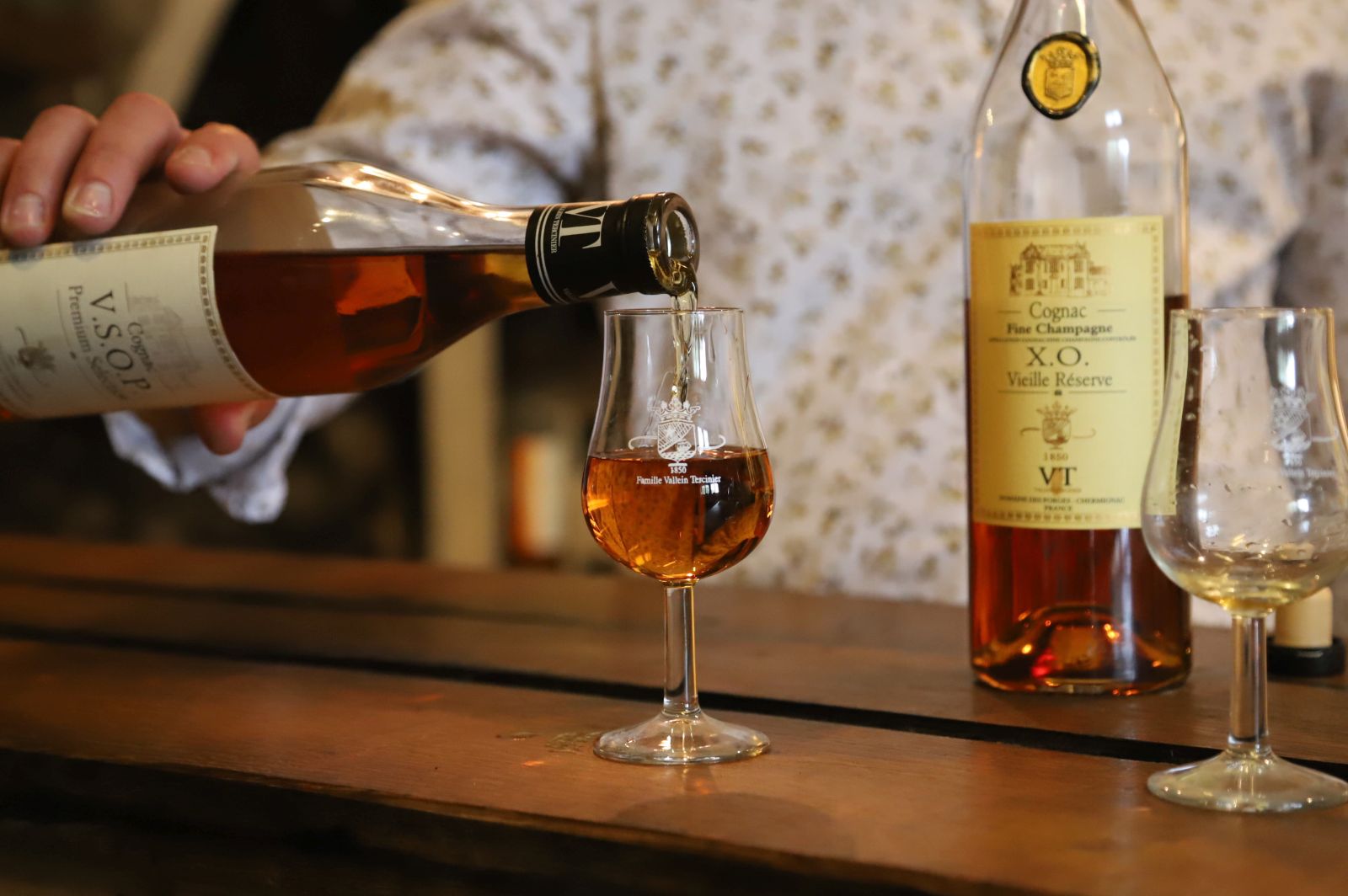
Visit the cellars and taste Cognac: an experience to be had in Charente!
46,9 km
To discover around


Ride around
Sentier de randonnée des carrières de Guizengeard
Sentier de randonnée des carrières de Guizengeard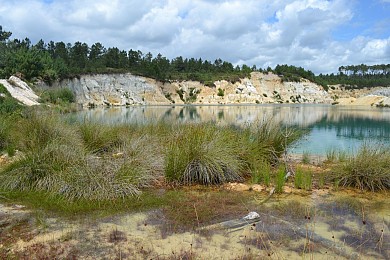
223 m - Guizengeard